
Custom denim development is more than choosing a style and sending a reference photo to a factory. For a brand, the final result depends on fabric, fit, wash, trims, size specs, sample details and bulk production control.
Before starting a custom denim project, brands should prepare clear information and understand the sample development process. This helps reduce misunderstanding, avoid unnecessary revisions and make the production process more efficient.
1. Prepare Your Reference Photos or Tech Pack
The first step is to prepare reference photos, design sketches or a tech pack. A tech pack is helpful because it includes important details such as measurements, fabric requirements, trims, stitching, labels, wash effect and construction details.
If a brand does not have a complete tech pack, clear reference photos can also help. However, the factory still needs to confirm the fit, fabric, wash and size details before making the first sample.
2. Confirm the Fabric Direction
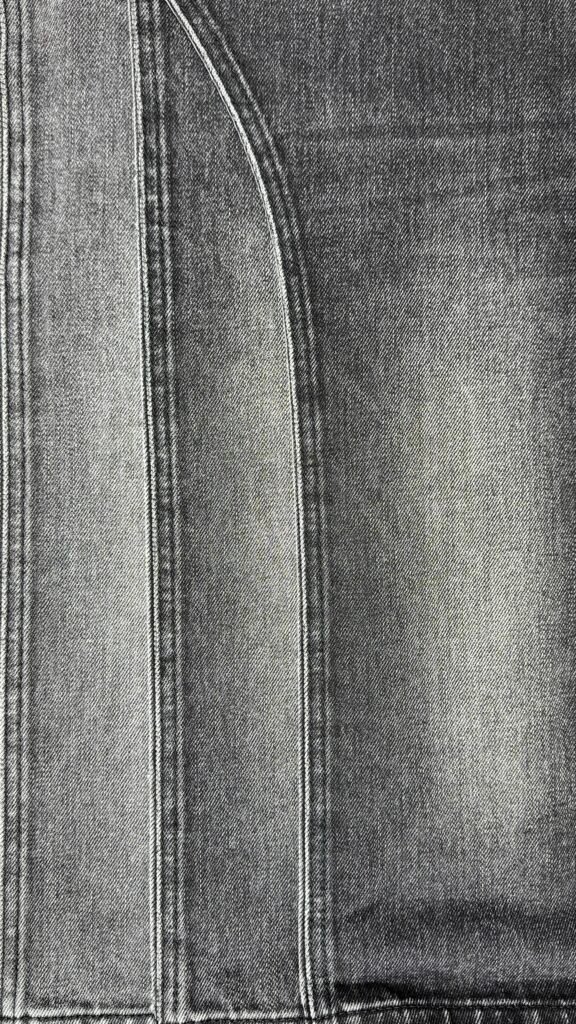
Fabric is one of the most important parts of custom denim development. Different denim fabrics can create very different results, even when the style looks similar.
Brands should consider fabric weight, hand feel, stretch or non-stretch structure, color, shrinkage and washing effect. For example, a heavier denim fabric may work better for structured baggy jeans, while a softer fabric may be more suitable for daily wear or relaxed fits.
3. Review the Fit and Size Specs
Fit is especially important for jeans. Before sampling, brands should review key measurements such as waist, hip, thigh, front rise, back rise, inseam and leg opening.
If the size chart is not clear, the first sample may not match the expected silhouette. For custom denim brands, reviewing the size specs before sample making can save time and reduce unnecessary sample revisions.
4. Choose Wash, Trims and Branding Details
Denim wash can strongly affect the final look of the product. Vintage wash, stone wash, enzyme wash, whiskers, fading and distressing all need to be discussed before sampling.
Trims are also important for brand identity. Buttons, rivets, zippers, leather patches, woven labels, hang tags and packaging can all be customized. These details help a denim product look more complete and more aligned with the brand image.
5. Make the First Sample
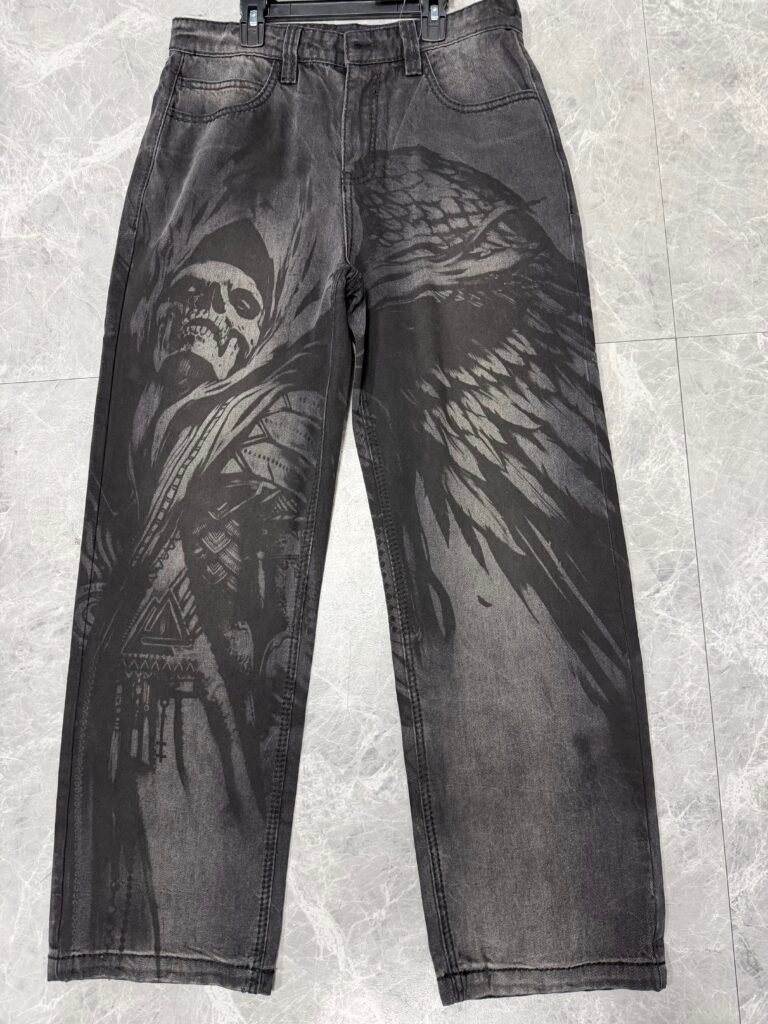
After the fabric, fit, wash and trims are confirmed, the factory can start the first sample. The first sample is used to check the overall shape, construction, fabric performance, wash effect and details.
For custom denim development, the first sample is not always the final version. It is normal to make adjustments after checking the fit, wash, measurements or trims.
6. Review Feedback Before Bulk Production
After receiving the sample, brands should review it carefully. Feedback can include fit comments, size adjustments, wash changes, fabric feeling, stitching details and trim updates.
Clear sample feedback helps the factory make better revisions and prepare for bulk production. Before placing a bulk order, brands should make sure the final sample, size chart, fabric, trims and wash standard are confirmed.
How HimDenim Helps
HimDenim helps brands develop custom denim products from idea to sample and bulk production. We support fabric sourcing, size spec review, custom trims, wash development, sample making and production follow-up.
Whether you have a complete tech pack or only reference photos, we can help review the details and suggest a practical sample development plan.
Conclusion
Developing custom denim jeans requires clear communication and professional preparation. Fabric, fit, wash, trims and sample feedback all affect the final product.
If you are planning to develop custom denim jeans, denim jackets or streetwear denim pieces for your brand, you can send us your reference photos or tech pack. HimDenim can help review the details and prepare a sample development plan.